
Provides assistance for individuals and families by linking them not only to services within our agency, but also to local services available in the communities of the seven counties we serve. This service provides resources to help families and individuals make informed choices. Some services might include transportation, and Medicare and Medicaid information for the elderly and disabled.
Information and Assistance (I&A) Specialists are available to answer questions and provide guidance as you navigate the numerous programs, organizations and options available as we get older. They can help us with the following:
To receive the following services, an assessment is required: Home-Delivered Meals, Homemaker, Respite and Chore. Have the following information ready when speaking with an Information and Assistance Specialist:
Aging and Disability Resource Centers (ADRCs) are the first place to go to get accurate, unbiased information on all aspects of life related to aging or living with a disability. ADRCs are friendly, welcoming places where anyone—individuals, concerned families or friends, or professionals working with issues related to aging or disabilities—can go for information specifically tailored to their situation. The ADRC provides information on a broad range of programs and services, helps people understand the various long term care options available to them, helps people apply for programs and benefits, and serves as the access point for publicly-funded long term care. These services can be provided at the ADRC, via telephone, or through a home visit, whichever is more convenient to the individual seeking help.
An Aging and Disability Resource Center provides the following services and more:
Contact the Information and Assistance staff at 208-233-4032
Discharge Planning is a process, not a single event. Medicare defines discharge planning as: “A process used to decide what a patient needs for a smooth transition from one level of care to another.”
As a result of this process, the discharge plan may address the options:
Staff of the ADRC work with the hospital case manager and the patient to ensure that he/she has the information they need to make informed decisions about their support options as they move through critical transition points in the health and long term support system. Contact the Information and Assistance staff at 208-233-4032.

Loneliness is social pain. Humans are designed to connect with others. A lack of personal connections results in loneliness.
Loneliness is important. It is not just an emotional issue, it can impact our mental and physical health.
Carries the same health risk as smoking 15 cigarettes a day, obesity, or a sedentary lifestyle (Julianne Holt-Lundstad)
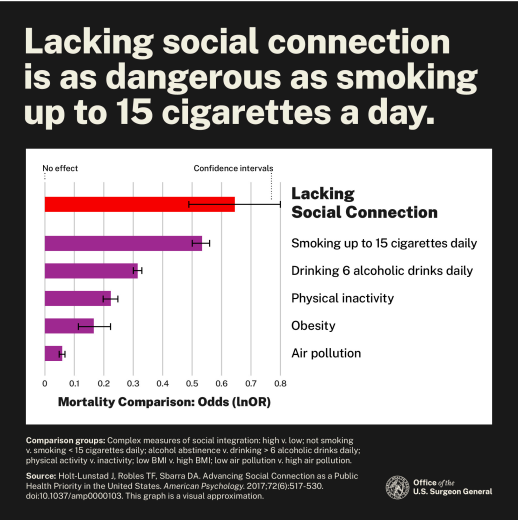
Lacking social connection is as dangerous as smoking up to 15 cigarettes a day.
This program addresses social isolation and loneliness among older adults in the community. It relies on volunteers to make it successful. PRO Age Connections includes:
This program gives veterans of all ages the opportunity to receive the home and community based services they need in a self-directed manner. Veterans in this program are given a flexible budget for goods & services that are managed by the veteran or family caregiver. This program helps veterans in a twelve county area to continue to live at home in their community.
For more information contact: Angelyn at
Easterseals-Goodwill provides transitional employment services through the Senior Community Service Employment Program (SCSEP). This program offers training opportunities to low-income adults age 55 and older in the state of Idaho and Utah who wish to re-enter the workforce. It allows participants to overcome barriers to employment by gaining real-world work experience at non-profit and community service organizations, called “host agencies,” in the community.
Transports older and disabled persons to and from community services and resources for the purpose of applying for and receiving services, reducing isolation and promoting independent living.
The program provides transportation for:
Pocatello Regional Transit

The Area V Agency on Aging located in Pocatello provides information and support which maximizes independence and quality of life for older adults, 60 years of age and older, individuals with disabilities and vulnerable adults 18 years and older.
Powered by MOATiT

Copyright © 2024 Area Agency Aging. All rights reserved.